University of Peradeniya Retains Top Spot as Sri Lanka's Greenest University in 2026 UI GreenMetric Rankings
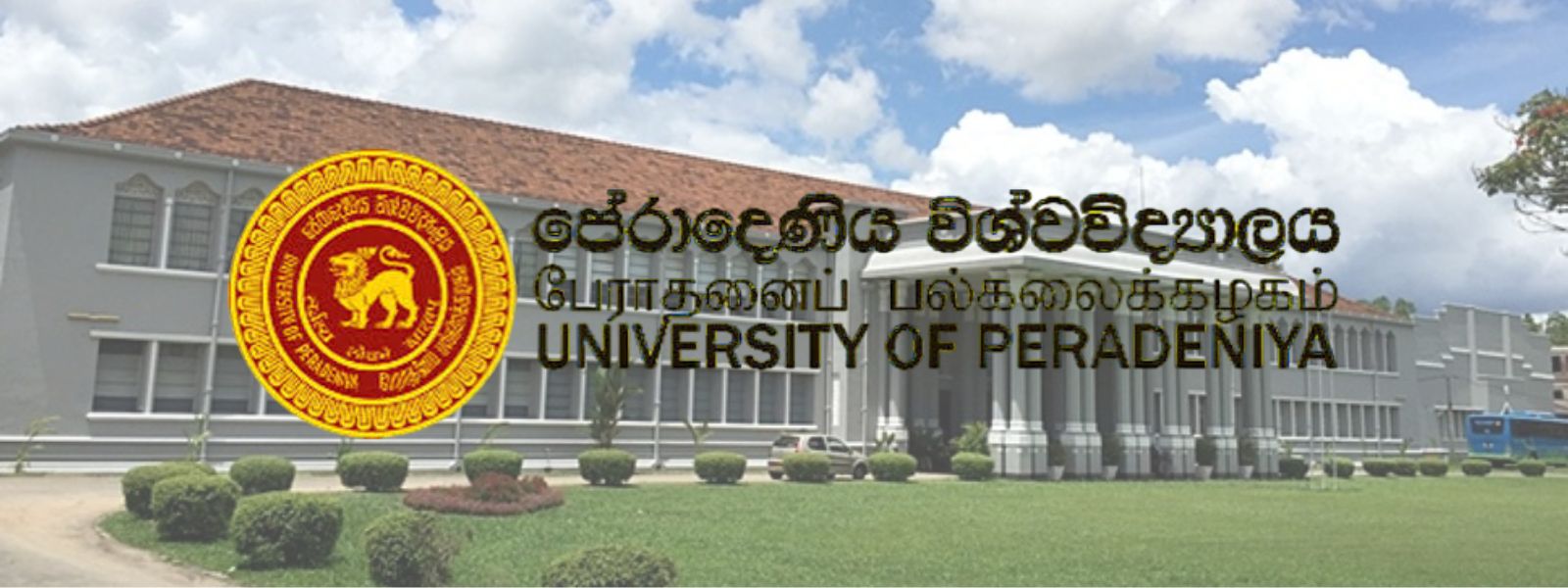
The University of Peradeniya has been recognised as Sri Lanka’s leading university for sustainability in the 2026 UI GreenMetric World University Rankings. Photograph: NewsFirst.
The University of Peradeniya has retained its position as the No. 1 university in Sri Lanka in the 2026 UI GreenMetric World University Rankings.
The result places the university 200th globally among 2,016 participating institutions from 110 countries. Peradeniya achieved an overall score of 8,262.5 points out of a possible 10,000, reinforcing its standing as Sri Lanka’s leading green university.
The 2026 rankings were released under the theme “Advancing Sustainable Campuses through Governance, Digitalization, and Integrated Performance.” The theme reflects the growing importance of treating sustainability as a whole-campus responsibility, covering not only environmental projects but also governance, research, education, infrastructure and digital systems.
For the University of Peradeniya, the achievement is significant recognition of its continuing efforts to maintain an eco-friendly campus and integrate environmental responsibility into higher education.
Peradeniya’s regional and international performance
According to the infographic released by the university’s Center for Environmental Sustainability (CES), the University of Peradeniya ranked:
- 200th in the world
- 10th in South Asia
- 115th in Asia
- 1st in Sri Lanka
The university’s score of 8,262.5 points places it within the global top tier of institutions assessed for sustainability and environmental performance.
Nationally, the University of Kelaniya secured second place, while the Open University of Sri Lanka was placed third.
The result provides a positive indication of the progress being made across Sri Lankan universities. It also demonstrates that environmental performance is becoming an increasingly visible part of the country’s higher education profile.

Sri Lanka’s natural environment provides an important setting for campus sustainability, research and environmental education.
What is the UI GreenMetric ranking?
The UI GreenMetric World University Rankings is an annual international assessment of university sustainability and environmental performance.
It evaluates participating institutions across a range of indicators, including:
- Setting and infrastructure
- Energy and climate change
- Waste management
- Water management
- Transportation
- Education and research
- Governance and digitalisation
The ranking is widely used by universities internationally as a benchmark for assessing the sustainability of their campuses. It is different from a traditional academic ranking, which may focus mainly on research output, teaching quality, reputation or graduate outcomes.
Instead, UI GreenMetric examines how universities manage their physical environments and how effectively they incorporate sustainable development into institutional decision-making, teaching and research.
This makes the ranking particularly relevant at a time when universities are expected to respond to climate change, resource pressures, pollution, waste generation and the need for more responsible development.
University of Peradeniya score breakdown
The CES infographic provides a detailed breakdown of the University of Peradeniya’s performance across the seven evaluated parameters.

Setting and Infrastructure: 1,050 / 1,100
This category considers the way a university’s land, buildings and wider physical setting support a sustainable campus. It can include green areas, campus planning, environmental facilities and the relationship between built spaces and the surrounding environment.
Peradeniya’s score indicates strong performance in this area, supported by its extensive campus setting in the central hills of Sri Lanka.
Energy and Climate Change: 1,650 / 2,000
Energy use and climate action are central elements of modern campus sustainability. This category considers issues such as energy efficiency, renewable energy, emissions reduction and climate-related policies.
The university’s score reflects substantial work in an area that is increasingly important to students, researchers and higher education institutions worldwide.
Waste Management: 1,275 / 1,700
Responsible waste management helps universities reduce pollution, improve resource efficiency and encourage sustainable habits among students and staff.
The assessment covers how institutions handle waste, recycling and the reduction of materials sent to landfill. Peradeniya’s performance demonstrates the importance of including everyday campus operations within wider sustainability strategies.
Water Management: 775 / 1,100
Water management is especially important for institutions operating large campuses, laboratories, accommodation facilities and public spaces.
This category assesses the responsible use, conservation and management of water resources. The score also highlights an area where continued investment and innovation can support further progress.
Transportation: 1,488 / 1,700
Transportation affects emissions, congestion, accessibility and the overall environmental footprint of a university.
Peradeniya’s strong result in this category reflects the importance of campus transport planning and the movement of students, staff and visitors. Sustainable transport policies can also contribute to a healthier and more accessible campus environment.
Education and Research: 1,088 / 1,300
Universities have a role that extends beyond managing their own buildings and grounds. They also educate future professionals and produce research that can influence environmental policy, business and community development.
This score recognises the contribution of sustainability-related teaching, research and academic activity at the University of Peradeniya.
Governance and Digitalisation: 938 / 1,100
The 2026 theme places particular emphasis on governance and digitalisation. Sustainability requires clear institutional responsibility, reliable monitoring and systems that allow universities to measure progress.
Digital tools can support data collection, resource management, reporting and more informed decision-making. Peradeniya’s performance in this category demonstrates the growing connection between environmental responsibility and effective university governance.

Solar energy and sustainable building design are increasingly important elements of university environmental planning.
Why this achievement matters
The University of Peradeniya’s global ranking is important for Sri Lankan education because it presents a leading national institution in an international sustainability context.
For students, a sustainable campus can offer a healthier and more responsible environment in which to study. Energy efficiency, waste reduction, green spaces and better transport planning can affect everyday campus life.
For researchers, strong sustainability performance can help create opportunities for collaboration in areas such as renewable energy, climate adaptation, biodiversity, water conservation, environmental science and sustainable development.
The result also contributes to the international reputation of Sri Lankan universities. Academic reputation is no longer measured only through conventional university rankings. Environmental performance, social responsibility and institutional governance are becoming increasingly visible measures of quality.
This is particularly relevant to Sri Lankan students and professionals living overseas. Alumni and diaspora communities in the United Kingdom, Canada, Australia, New Zealand and other countries continue to follow the development of Sri Lankan institutions. Achievements such as this offer a constructive way to remain connected with the country’s education sector and its progress.
For international partners, the ranking provides another way to understand the University of Peradeniya’s institutional priorities. It signals that sustainability is being addressed through a combination of infrastructure, research, campus management and governance.

Students and staff are central to creating a sustainable campus culture.
Sustainability as an ongoing responsibility
A strong position in the UI GreenMetric rankings is an important achievement, but sustainability remains an ongoing process.
Universities must continue to monitor energy use, manage waste responsibly, conserve water, improve transport systems and ensure that sustainability principles are reflected in teaching and research. Progress also depends on participation from students, academic staff, administrative teams and the wider community.
The University of Peradeniya’s 2026 result shows how environmental responsibility can be embedded into higher education governance. It also demonstrates that Sri Lankan universities can compete meaningfully in international assessments that focus on the future of the planet.
The achievement is therefore more than a ranking position. It is a positive milestone for the University of Peradeniya, Sri Lankan universities and everyone interested in the country’s progress in education and sustainability.
Readers can follow further Sri Lankan education, community and achievement stories through eLanka.


